


|
What Are The Causes of Floods?In Part 1 of this chapter on Floods , we reviewed the main types of floods, and recognized river system floods as the most common form. Year by year, theyare the most dangerous, disruptive events affectingmany people's lives, and are the most expensive interms of property destruction and repair costs. But back to the river system floods. Let's look at what's behind them.
Causes of Floods
I don't think I'll surprise you by stating that the most important cause of flooding is widespread, heavy rain. Heavy rain is hard to ignore, particularly when it continues for days. Its effects are magnified when the rain bringing system extends over most of a river catchment area, so that all tributaries are soon at bank full stage or are in flood. When they meet the main channel, its capacity for removing the water is rapidly exceeded, and extensive flooding is inevitable.
Heavy rain itself can be difficult to define, except after the event. In some areas where rainfall is normally light and spread out, falls of 3-4 inches may be enough to cause flooding. In other areas, falls of this size may be common, but the stream channels have adapted to handle the amount of water, and no flooding occurs.
And while it is true that a major rainfall event can overcome all natural conditions and man made structures that may minimise flooding, even prolonged drought, there are many other factors that can contribute to major flooding.
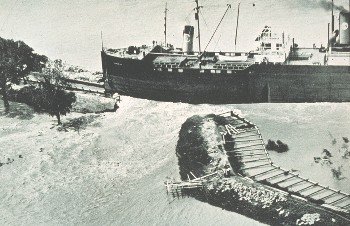 Junior, Louisiana, 1927
Floods and Home Weather Stations River floods, by their nature, are best studied after theevent. Flash floods, covered elsewhere,are most commonly associated with individual thunderstorms. Unless a flood is caused by a single episode of widespreadand persistent and heavy rain, it can be very difficult toput your finger on the initial cause of a flood while it is happening. As we have seen, the start of the 1997 Red River ND floodbegan Similarly, the 1993 Mississippi Flood developed over sometime. Was the cause in the first of the train of thunderstorms that moved through the region, or was it in the first thunderstorm after the ground was saturated and the streams were running full, or was it at some other time. It can be hard to tell. But if you have experienced a flood in your area, it isan interesting exercise to go back through records andthe archives of the NWS to try and pick the point atwhich the flood first became likely, as well as anysubsequent events which made the flood inevitable, such as further heavy rain. Reports on river heights, estimates of flood peaks,and predicted extent of flooding can also be illuminating, and at worst will give you an idea of thevast amount of information available to the officialflood forecasters at the time when it's all happening. All the photos used in this article are reproduced by courtesyof the NOOA Photo Library, and were taken during floods inthe first few decades of last century. Historic and recent photos in this collection are well worth a look Like to Know More? Apart from the links in the text above, and the excellentbooks, DVDs, videos and other material mentioned in the More Flood Resources pages, you can find outmore about the weather conditions that cause floods onthe Severe Weather page. More information on weather Stations can be found on theHome Weather Stations page, and there is also apage to help you set up your weather station. This link will get you back to the top of the Causes of Floods page, and this one will take you Home.
If this sounds interesting, just add your name and email address to the form below. When you join, you'll also receive, totally free, a 20 page guide to setting up and trouble shooting problems in home weather stations. And I promise that you won't get spammed, and that your sign up details will remain totally confidential. Sign up now and receive your first issue almost immediately.
Last update 05/24/2011
|
 Blink
Blink Del.icio.us
 Digg
Digg Furl
Furl Google
 Simpy
Simpy Spurl
Spurl Technorati
 Y! MyWeb